Why is competition so highly regarded?
In Ecology, symbiosis refers to any type of interaction between two species. The most well-known and positive kind of symbiosis is mutualism, which is an interaction where both species benefit ( + / + ). Examples include the sea anemone and clownfish, or cows and the gut bacteria that allow them to digest cellulose.
Predation is near the bottom of this list. Predation is also an interaction between species, because one species kills another for food ( + / − ).
But there is another category ranked even lower than predation. This category is called competition.
Competition is designated ( − / − ) because both parties lose when they compete.
Imagine a world where attention and advertising is not on everyone’s minds 24/7. When a company has a new product or something important to announce, they pay for some ads to spread the word. The ads don’t cost very much because most companies do good work, so they have a loyal customer base that grows by word of mouth and don’t need to keep paying for ads. The ads have a good reach because society isn’t saturated with them, and once everyone is aware of the new product, the company stops running ads.
Now imagine one company in this fictional utopia gets greedy. They say,
Ads are so cheap! If we run more ads we can 10× our profits, then leverage that equity to hyper-scale and corner the industry.
So they buy up all the ad slots and plaster their name everywhere, even though everyone already knows who they are.
Meanwhile, other companies who want to advertise new products are no longer able to buy any ad slots. Doogle, the company in charge of ads in this fictional utopia, says:
Sorry someone else already bought up all the ad slots. Demand for attention is pretty hot lately. However, we like you and want to do you a solid. If you’re willing to pay us a bit more than them, we can spare you some slots.
Now, all the companies have to compete with each other, spending more money than they otherwise would just to get the same amount of attention as before.
To make matters worse, other companies are upset by that first company’s douchey behaviour, and buy up even more ad slots in retaliation. This makes everyone poor and Doogle very rich.
The same thing happens in nature; when two males fight over who gets the female, they tire each other out and might both get taken out by a predator.
The same thing is used by gaming companies to exploit maximise profit from players:
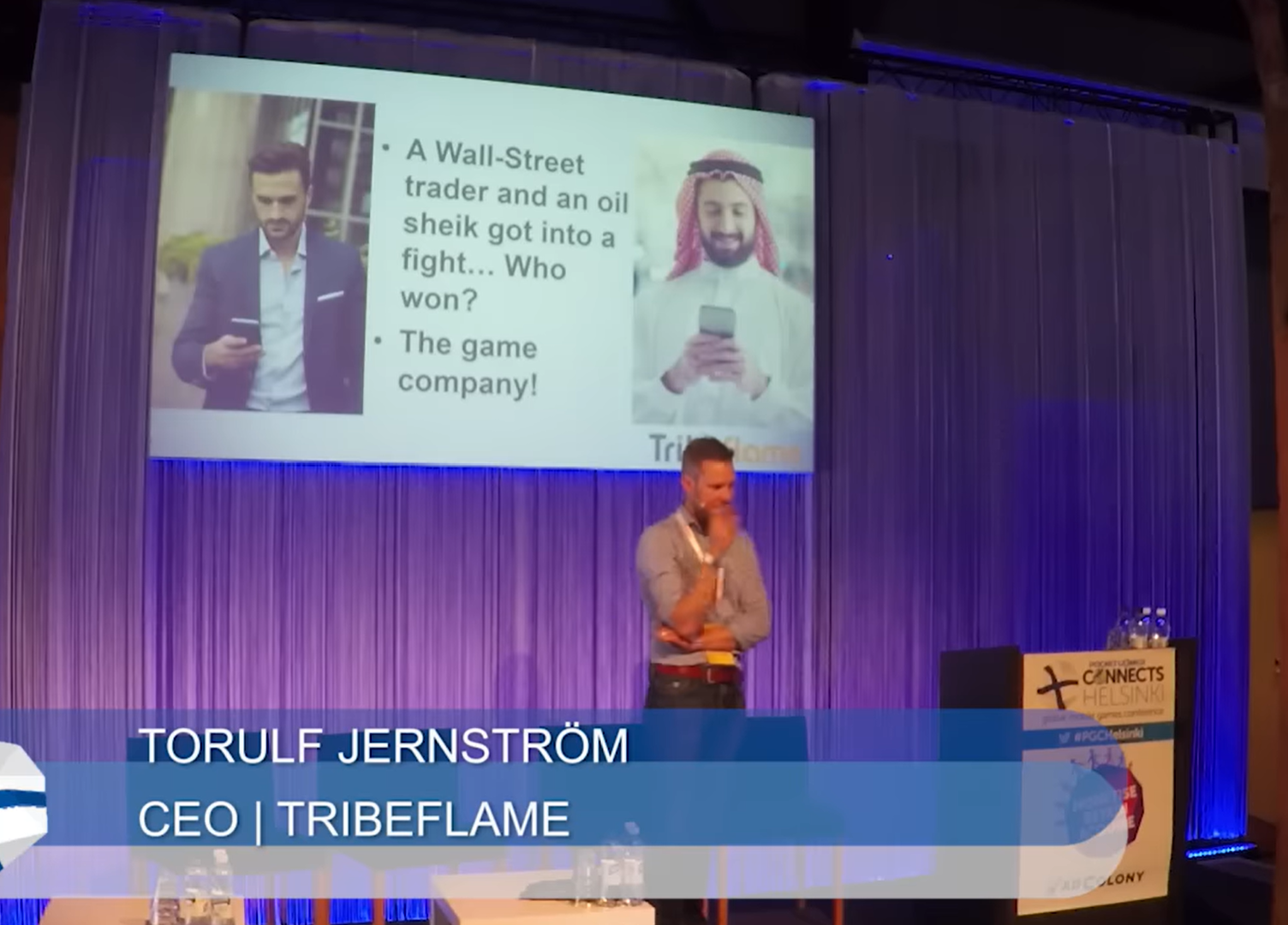
Clearly, competition is a net loss for everyone who engages in it.
So why are we so obsessed with making students compete?
Competition is what causes students to fight for attention from their teachers, or subtly mention unfavourable things about their classmates to win a student election, or refuse to share their study notes so other students won't do as well as them in a test.
Competition is why the first word in the VCE subreddit’s description is ‘divided’.
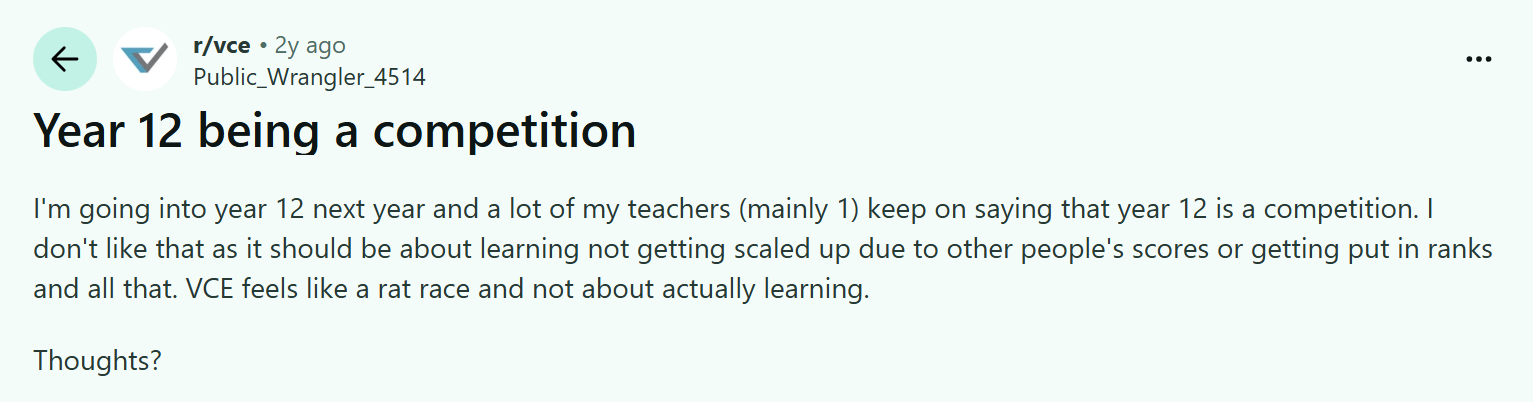
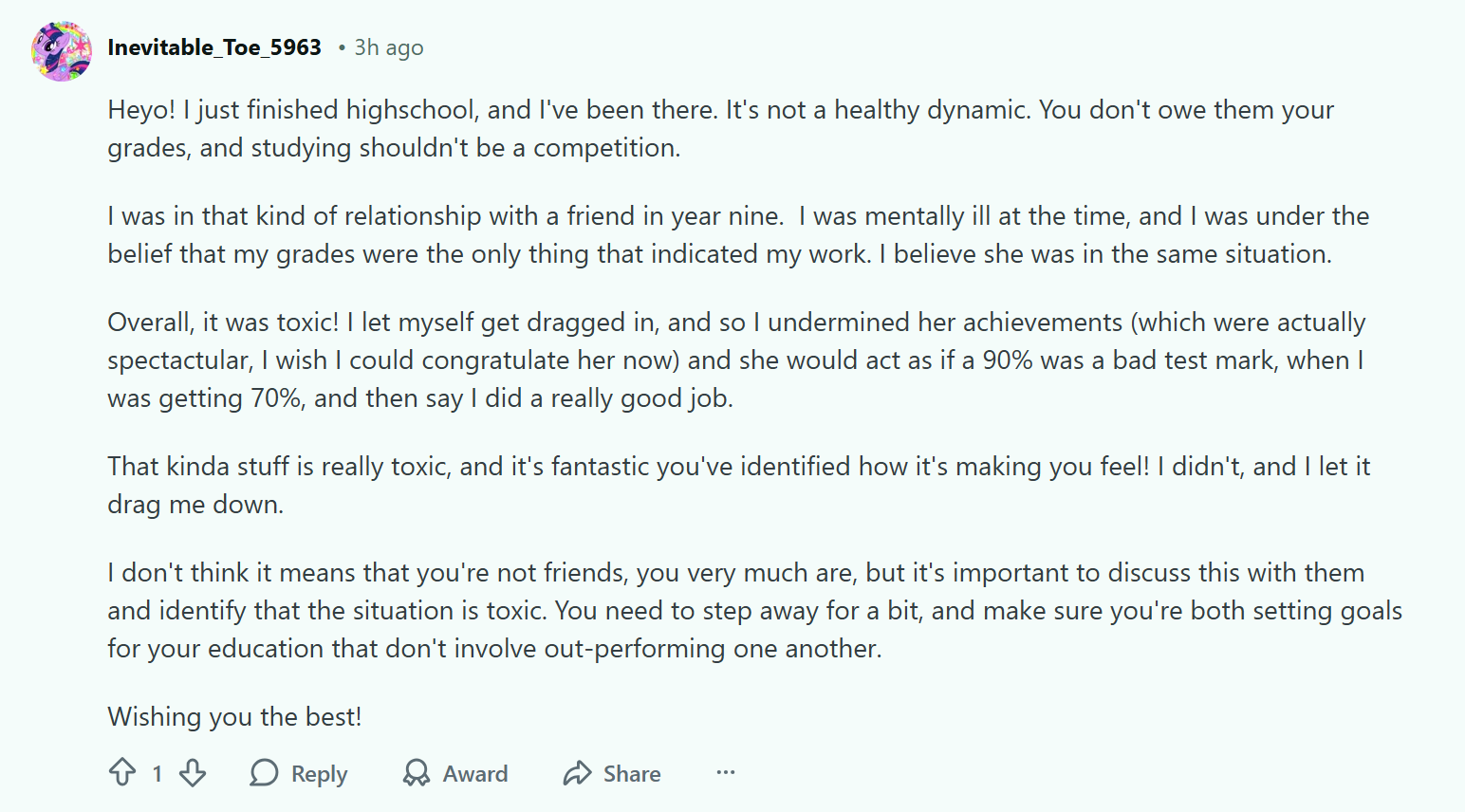
It is why there are so many posts like the following:
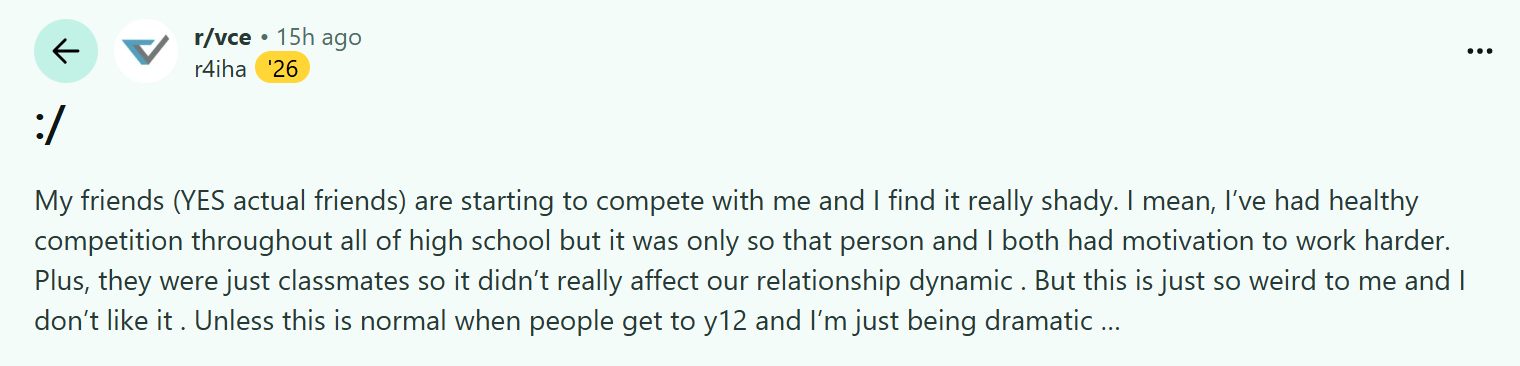
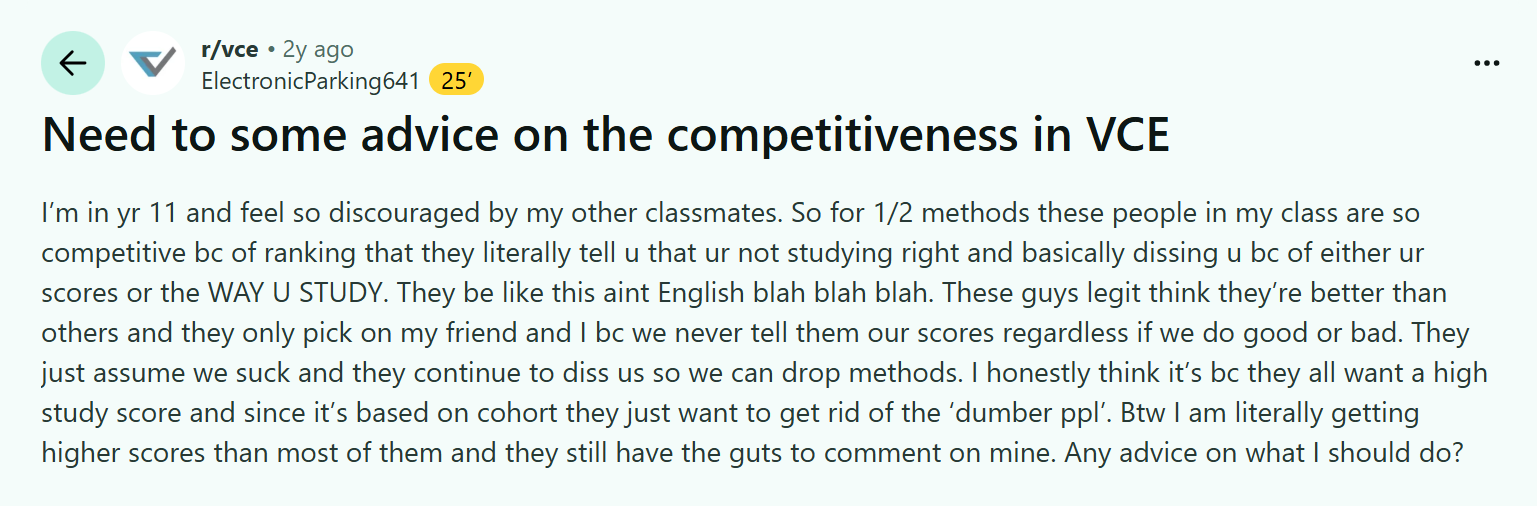
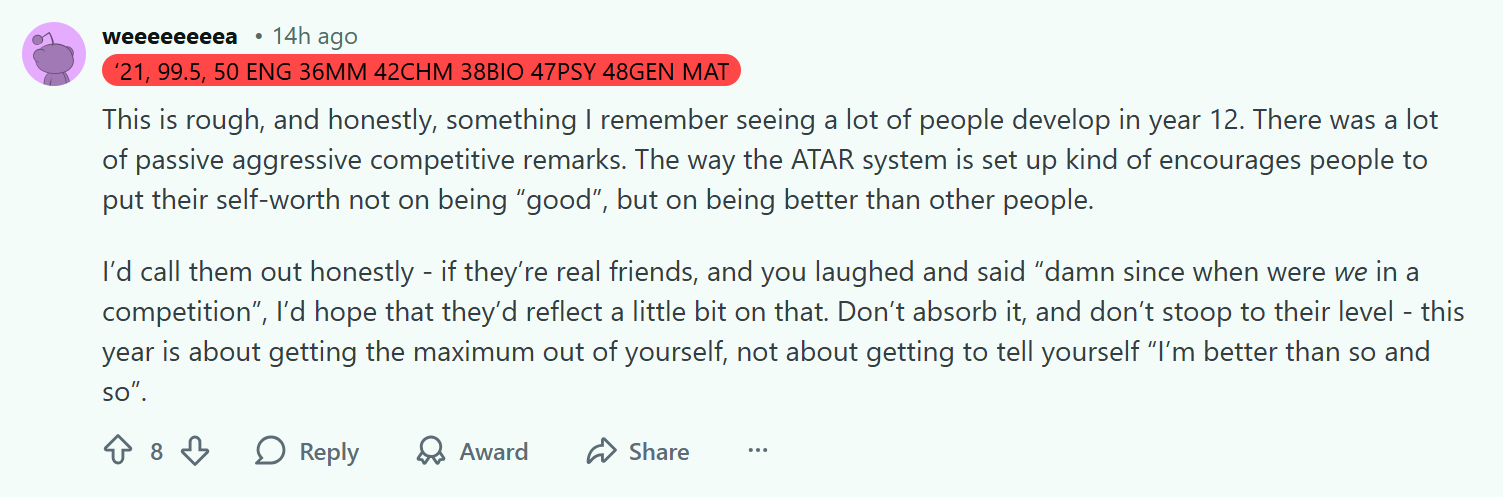
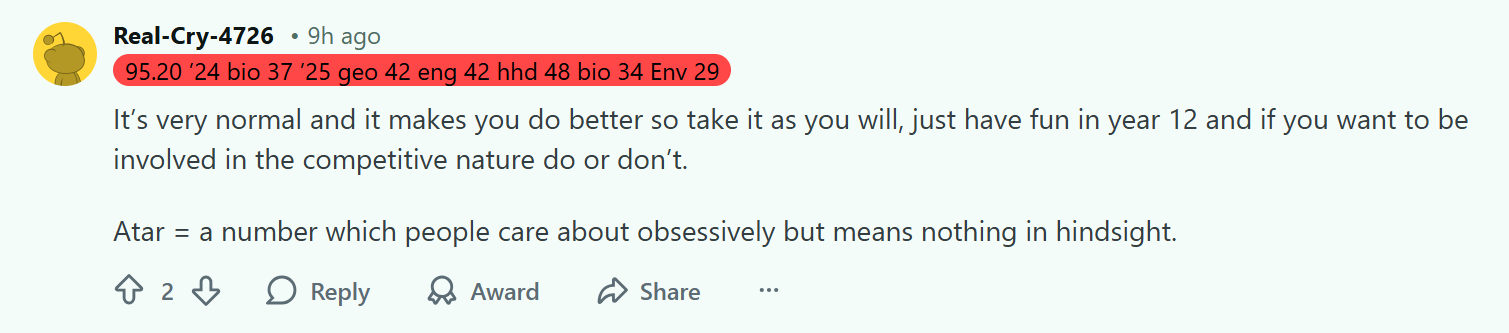
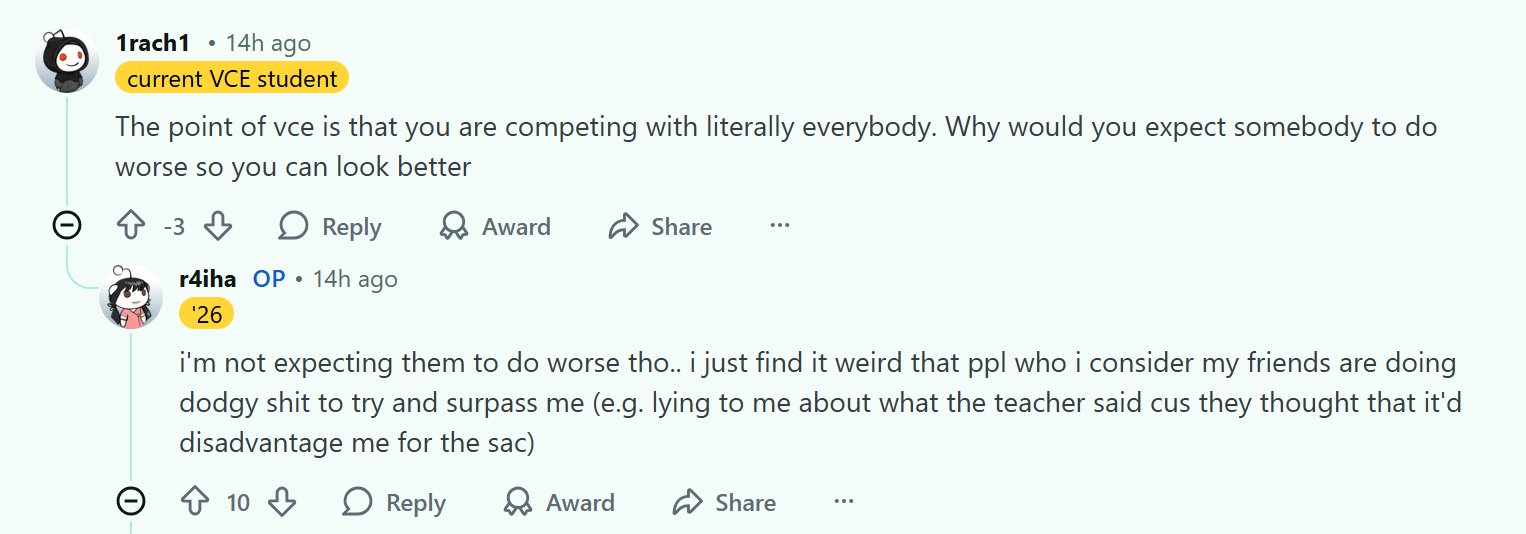
And so many replies that say it's normal:


In a local newspaper in 2024,2 one Victorian principal went as far as saying:
Life is a competition. It's nonsense to say it's not.
But is it though?
If life is a competition, what are we competing for?
What's the prize for winning this competition?
And if this model of education is so effective, why is there so much distrust for those who lead our country, people who are almost certainly very educated?
Personally, I think competition is a lazy way of motivating people. It’s fine if it’s just a bit of casual fun, but the moment we start rewarding ‘winners’ we’re encouraging the wrong values.
I’m not saying we should give everyone the same award so we don’t hurt anyone’s feelings.
I’m saying that children should be doing something because they find intrinsic value in the activity, not because they want to win a competition or beat someone else. Children should play sports because they enjoy it, not because they enjoy winning. If children join a competition, it should be because they want to learn from others or challenge themselves to improve.
I tell my students this all the time and I absolutely mean it:
You don’t learn anything when you win. You ONLY learn when you lose.
Rather than competition, we should be emphasising collaboration.
What is collaboration? To me, it means valuing integrity, accountability, humility, self-sacrifice, and of course, teamwork. It means celebrating athletes with the most sportsmanship, rather than the fastest, strongest, or who scored the most points.
It means understanding that the goal of education is teaching children how to lose gracefully, how to be kind, and why more money will not make them happier, rather than vocabulary or equations. Yes, even in middle school, high school or university, because these are lifelong lessons.
If you find this idea too radical, here’s a compromise; if you must compete, then compete to be the kindest or most honest person.




Member discussion