Are we raising the best adults, or the best kids?
Your cousin Timmy...
In Mandarin, there's a word that's always used to describe children: 乖 (guāi). It's surprisingly difficult to translate to English. The most common translations are 'good' or 'well-behaved', but both of those adjectives are too vague and don't really tell you much, do they?
If I had to pick only one word to summarise the connotation of the word 乖, it would be 'obedient'.
Question time: what is your definition of a 'model' child?
- Obedient?
- Academically bright?
- Steven He's infamous cousin Timmy (no relation) who got 15 years work experience by age 9? 1
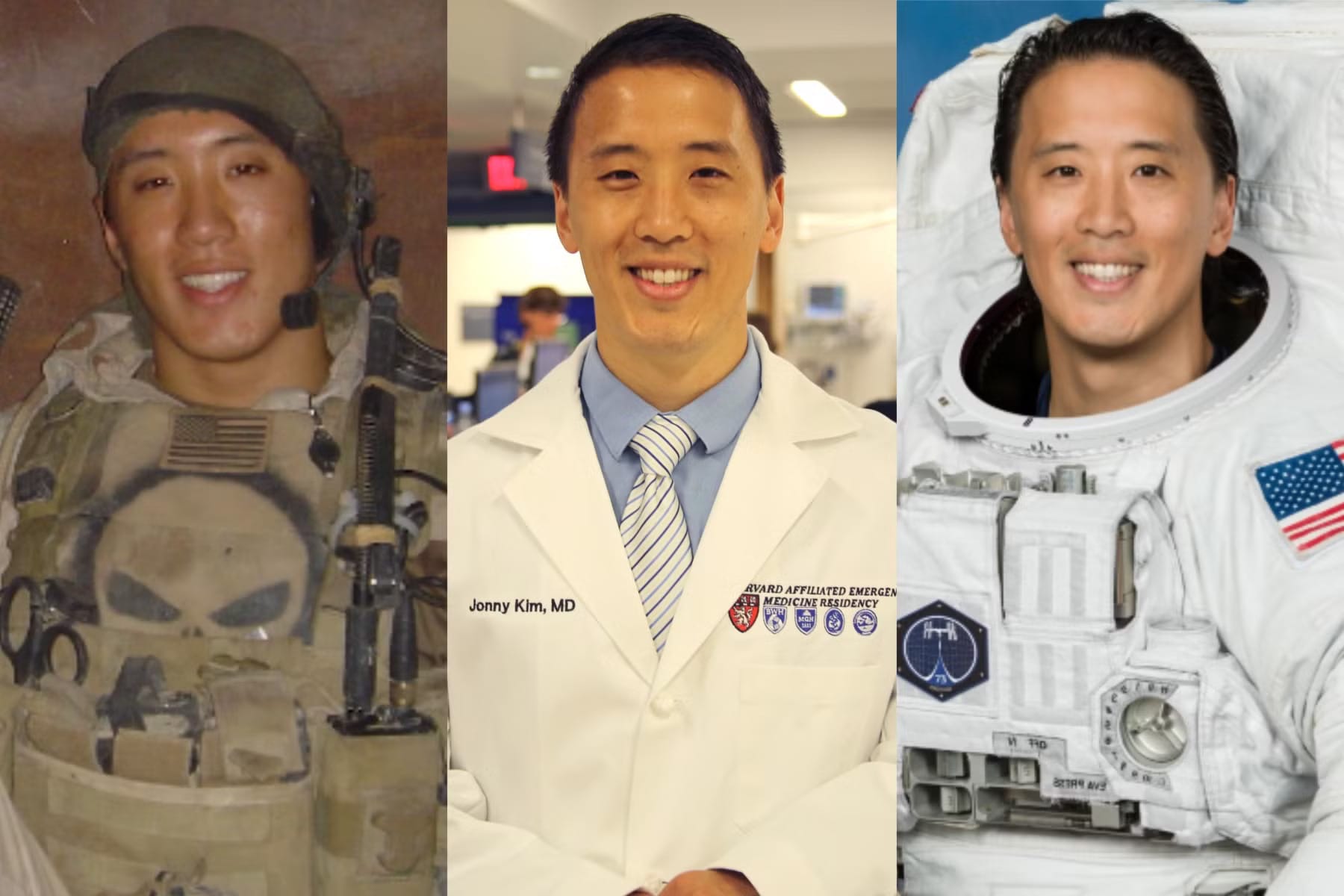
Or perhaps it's this guy:
Next question: what is your definition of a model adult?
Should your answers to those two questions be the same?
And if they're not, might that indicate a problem with our education system?
After all, does being obedient as a child really prepare you to be an independent, driven adult in the real world?
Personally, I think childhood obedience is more likely to prepare you to be an obedient employee in a large conglomerate somewhere, worrying about whether they’re going to be replaced by AI because their job is essentially menial in nature.
There's nothing wrong with working for someone else, but I wonder: should we really be raising kids with that end goal as the default?
...is not someone you should worry about.
As it turns out, even if our goal is to raise the most talented adults, the way we've been doing it has been counterproductive.