The rise of home-schooling in Australia
Apparently, over 45,000 Australian students are being home-schooled in 2025, more than double the number of home-schoolers 5 years ago. To be fair, this is probably in no small part due to COVID, but given that COVID is no longer an issue today, why has this number not gone back down?
Is it even a problem?
In this video by the ABC 1, Prof. Anna Sullivan, Director of the Research Centre in Educational Social Inclusion at the University of South Australia, says that when children start home school, they often find it difficult to integrate back into regular school afterwards.
And that’s fair — it probably is.
But is that a bad thing?
I mean, she certainly seems to frame it as a bit of a negative, but if I spent a year on holiday I wouldn’t want to go back to work either, and that’s not exactly a reflection of how bad the holiday was.
Home-schooling isn’t easy in many ways. It’s generally seen as unconventional, and families usually have to make considerable sacrifices to make it work for their lifestyle. Parents who didn’t care about their kids generally wouldn’t home school them; it’s much easier to send them to the local public school and complain about the school, teachers or government when things don’t go well.
So the fact that so many families are resorting to it should be an alarm bell that many Australians no longer find mainstream education options good enough for their children.
I've taught many kids who are home-schooled. Many of them are so bright it feels like you're talking to an adult rather than a child. Many of them are so creative and seem unconstrained by the rules that mainstream students take for granted.
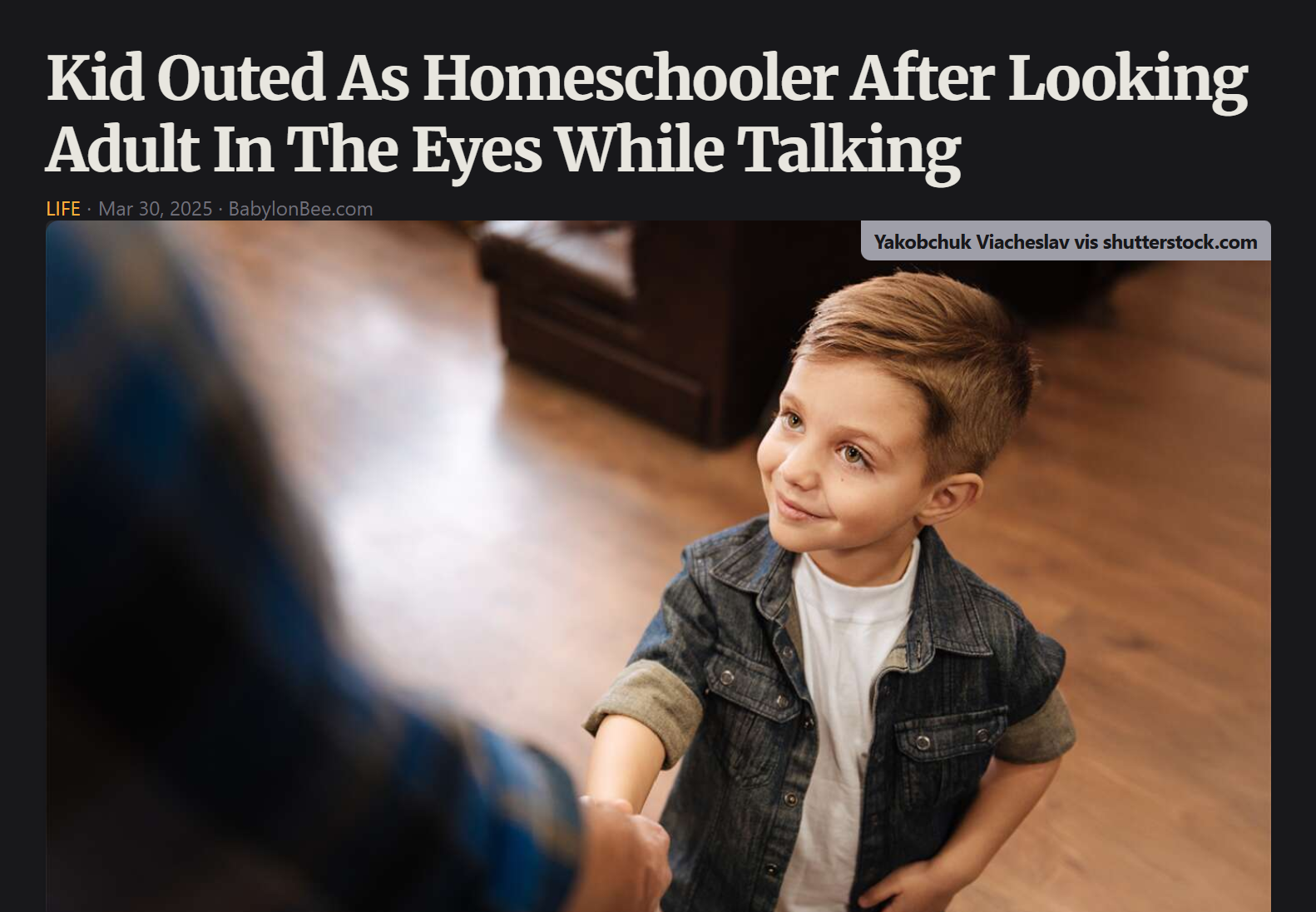
The Babylon Bee had a satirical piece 2 about home-schooling that seems apt here:
The keyboard analogy
The way I see it, mainstream schooling is much like the standard QWERTY keyboard layout. This layout was derived from legacy typewriters which required staggered keys so the bars they were attached to could all reach the page. The layout of letters is not ideal — some frequently used letters should be placed on the home row instead. The spacebar is takes up too much physical real estate and could be reduced to fit in other important keys such as fullstop, comma, shift, etc. instead.
There are more optimal layouts around. Ortholinear, Dvorak, Colemak, even chord typing.
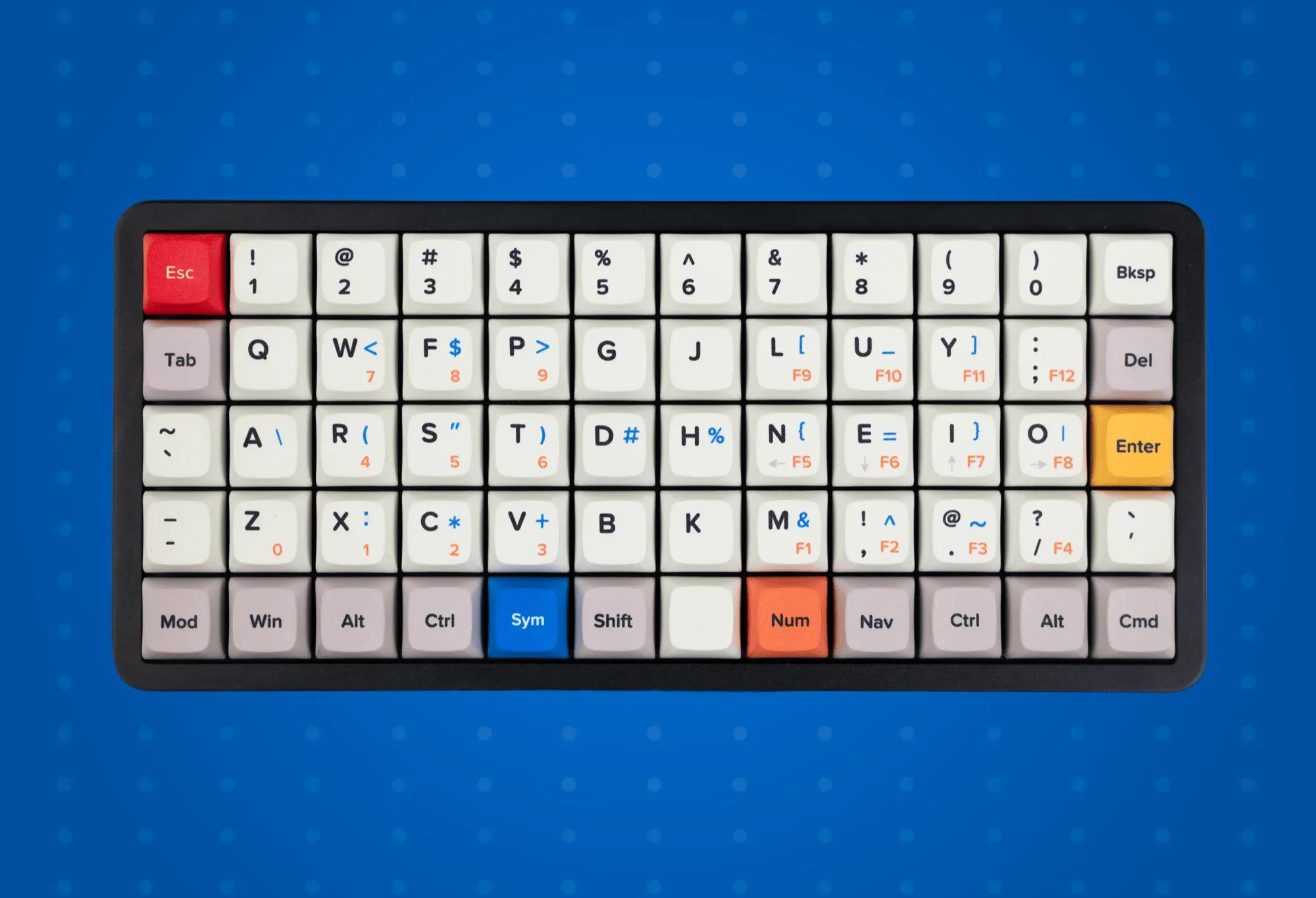
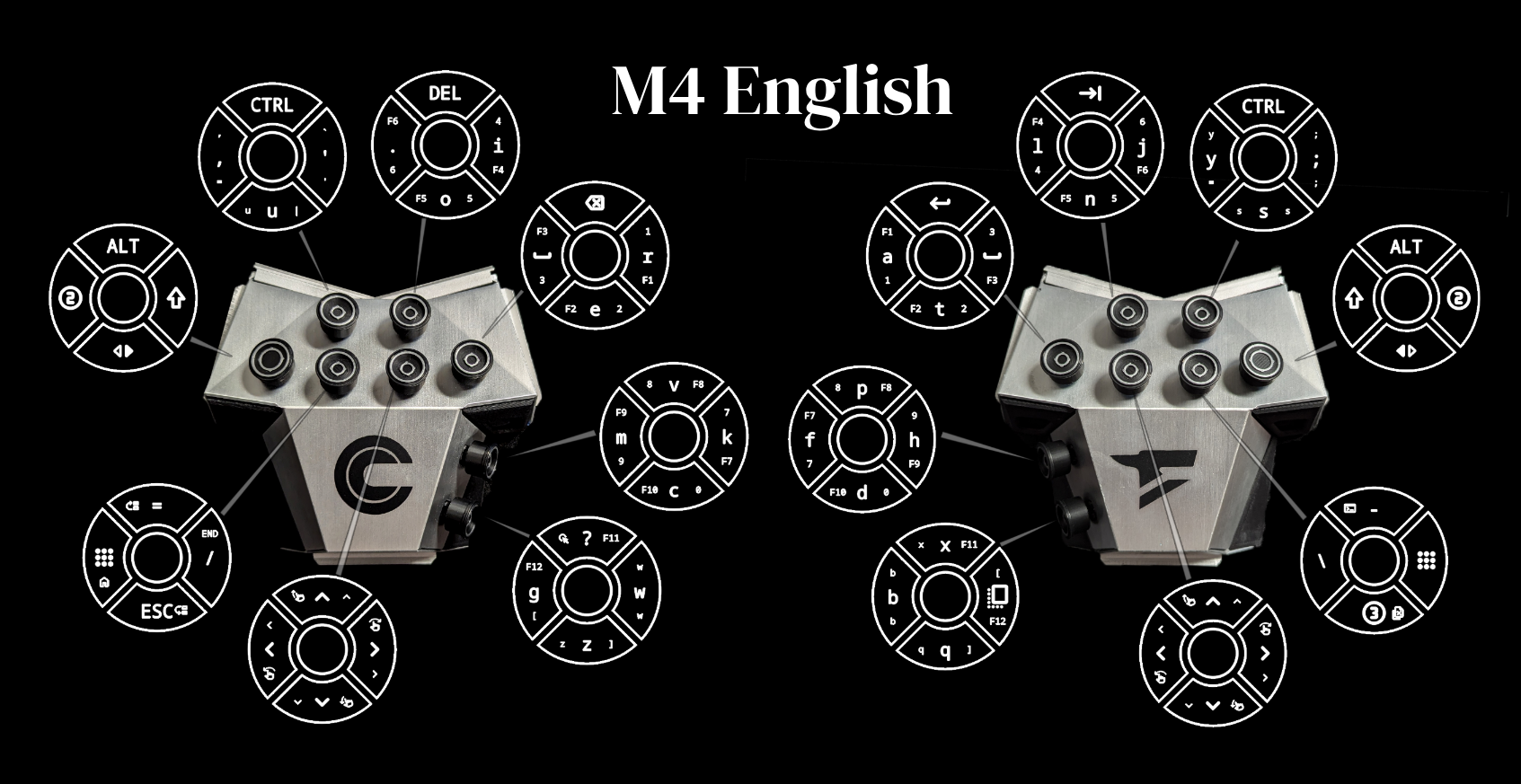
Yet for all its flaws we still keep using QWERTY because... everyone is using it. It’s a cyclical, positive feedback system that is difficult to change unless you care enough to bring your own keyboard with you everywhere you go. And because schools are using QWERTY, by the time students grow up, there’s a decade’s worth of inertia stopping them from learning something new. We could just agree to teach kids a more optimal system starting from grade 1 next year, but no one can be bothered to.
The same, I believe, is true of traditional education. For all its flaws, it is just so baked into society’s consciousness that no one has the willpower to challenge it. Those who disagree strongly enough just resort to home-schooling as a kind of silent protest.
What do mainstream schools teach?
I do believe some of the comments in the video weren't fair and deserve a counterpoint. Prof. Sullivan says:
If you think about the purposes of education, there's obviously learning content, but there are bigger purposes of education, and that is about contributing to society and so education of students from a young age on how to collaborate with people, how to resolve conflicts, how to, you know, resolve tensions, differences of ideas, is really, really important.
I agree.
But do mainstream schools teach that? What proportion of mainstream schooling, in particular Grades 7-12, focuses on skills like collaboration and resolving conflicts?
If collaboration and resolving conflicts are what the government really believes is important for children to learn, why are they not assessed on these things? Why are our exams not simply putting students in a room and giving them a problem to solve, then assessing the way they talk to each other? I think that would be a great way to assess students. Companies do it all the time.
If collaboration is so important, why does Australia use the ATAR system which forces students to compete against each other? ATAR is not the worst grading system, but I've taught hundreds of VCE students across dozens of schools and the sense of competition between students is very palpable.
Just look at the VCE reddit page 3:
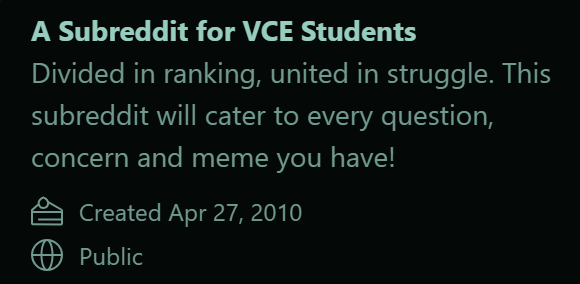
Divided is the first word of its description. Yes, I know united appears later in the sentence, but trust me, students are in no way united through the process of studying for VCE. They are often so preoccupied with not giving other students an edge that they will downvote useful resources so other students can’t see it.
(Side note: parents of teenage kids should really browse the VCE Reddit if you want to understand your kids better and what they're struggling with in school. Plus it's often hilarious)
Do home-schoolers have 'issues'?
I think that many people who are being home schooled, there's usually another underlying issue of some sort, now it could be a commitment to a particular way of doing things, an ideological commitment, but often it could be just because their kid isn't fitting in, and if they're not fitting in, what's going on there, and what does that school need to support that child? And those conversations should be had. [emphasis mine]
First of all, I'm rather shocked at the insinuation that if you’re being home-schooled, then there’s “usually” something wrong with you.
Yes, some children being home-schooled have other issues they're dealing with, but so do plenty of children in mainstream schools.
There are also many well-adjusted and even gifted students being home-schooled. I've also taught several gifted students myself. As a sponsor of the Melbourne Schools Discussion Group on Facebook, I've read of a lot of gifted children, including those who are now adults, who did not feel well-supported in mainstream schools.
She also insinuates that home-schooling is ‘running away from the problem’ rather than ‘solving it head on’.
Regular school probably gave them those issues to begin with!
Home-schooling isn't conventional, so trust me — kids will be reminded daily that they are different. Arguing that home-schooling is used as a means of avoidance is somewhat out of touch.
In fact, it is far more likely that children will avoid dealing with issues in mainstream school, because they are just another face in a large class and are only assessed on topics like surds and the underlying themes of Macbeth.
If mainstream school is so good for children, why do a third of people under 25 have a history of depression? Why is everyone so worried about bullying in schools? Why do so many students spend money on external tutoring?
I do think there's an issue here. But I don't think we're looking for it in the right place.



Member discussion